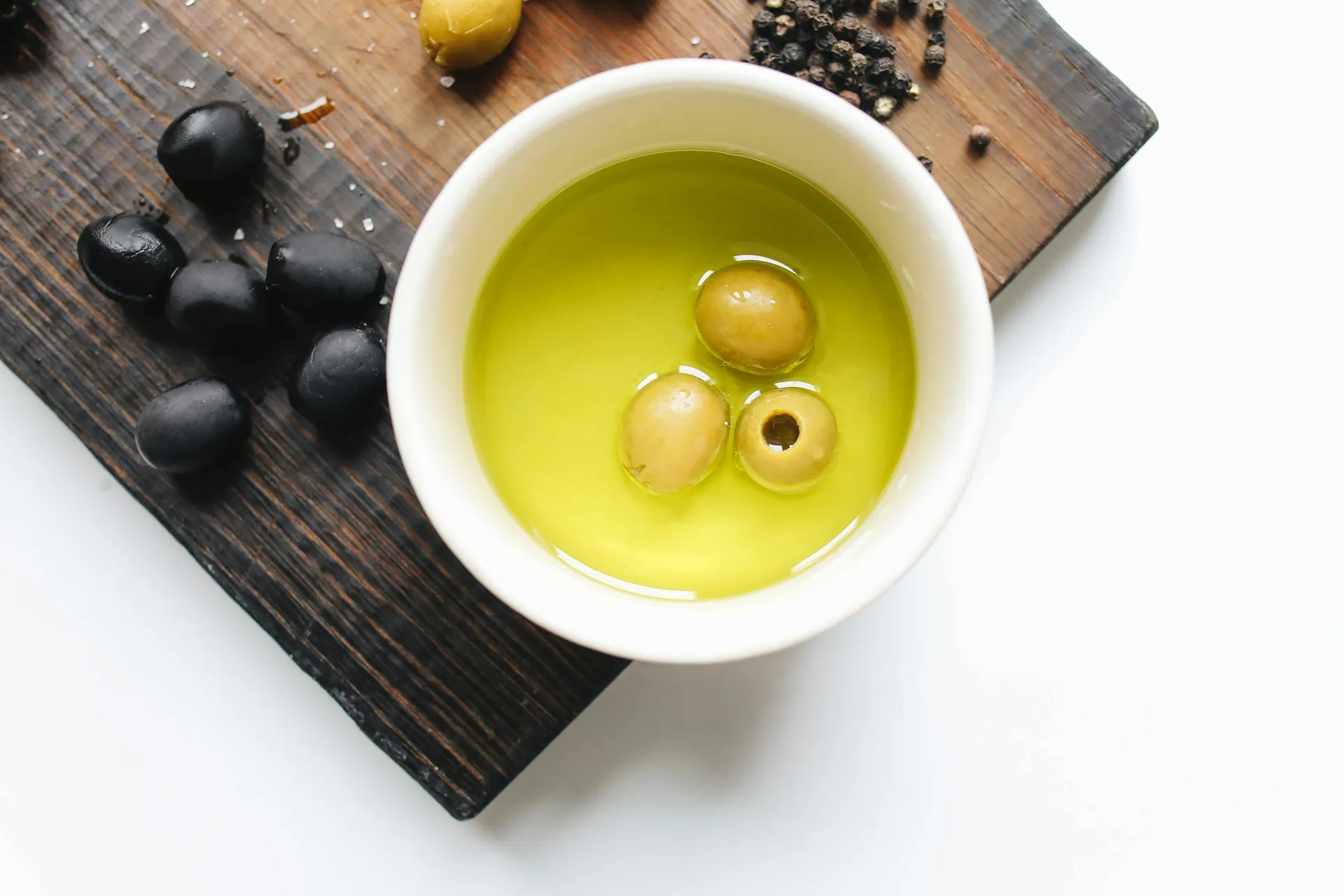
How Greeks Really Use Olive Oil
Greeks don't drizzle. They pour. Here's how to use olive oil the way it was meant to be used.
January 5, 2024
If there's one thing that defines Greek cooking, it's olive oil. Not as a condiment. Not as a finishing touch. As a foundational ingredient that appears in almost everything.
But here's what most people get wrong: they use too little.
The Pour, Not the Drizzle
Watch a Greek grandmother cook and you'll see something that might make you uncomfortable: she pours olive oil. Generously. Sometimes shockingly so.
A proper lathera (vegetable dish) might use a full cup of olive oil. A salad gets more than a light coating. Even grilled fish gets served with fresh lemon mixed with plenty of evoo to generously douse on top.
This isn't indulgence. This is how the food is meant to taste.
Why So Much?
Greeks consume about 20 liters of olive oil per person per year. That's almost a liter every two weeks. Why?
It's the fat source. Traditional Greek cooking uses almost no butter, no cream, no seed oils. Olive oil is the only fat. It does everything.
The food absorbs it. Vegetables cooked slowly in olive oil drink it up. What looks like too much at the start becomes just right by the end.
It carries flavor. Olive oil isn't neutral. Good olive oil tastes like something — grassy, peppery, fruity. It becomes part of the dish.
It's satisfying. Fat makes food filling. A bowl of vegetables cooked in olive oil will keep you full. A bowl of steamed vegetables won't.
How to Actually Use It
Cooking Forget the myth that you can't cook with extra virgin olive oil. Greeks have done it for thousands of years. Use it for sautéing, roasting, and slow-cooking. For high-heat cooking, it's fine up to about 400°F.
One of the most reassuring discoveries in Mediterranean nutrition research is just how beautifully extra virgin olive oil performs when heated. A peer-reviewed study published in Antioxidants found that EVOO "remained stable under common sautéing conditions" and preserved much of its natural polyphenols and antioxidants even at high cooking temperatures (Lozano-Castellón et al., 2020). Another controlled trial in Food Chemistry showed that EVOO maintained its structural stability longer than refined seed oils — even under deep-frying temperatures far hotter than what most home kitchens use — thanks to its naturally high monounsaturated fat content and protective phenolic compounds (Farhoosh et al., 2015). Harvard's School of Public Health echoes these findings, confirming that EVOO is safe for sautéing, roasting, and pan-frying (Harvard T.H. Chan School of Public Health). This is why, in Greek kitchens, we cook everything — from vegetables to fish — in high-quality, early-harvest EVOO: it stays stable, it stays delicious, and it supports the very heart of the Mediterranean diet.
Lathera When making vegetable stews, use 1/2 to 1 cup of olive oil for a dish that serves 4-6. Yes, really. The vegetables will absorb it, and the olive oil becomes the sauce.
Raw Drizzle generously over salads, grilled fish, bread, and finished dishes. This is where the olive oil's flavor shines.
Bread Pour olive oil on a plate. Add a little salt. Dip bread. This is a legitimate Greek appetizer — and sometimes breakfast.
What Kind of Olive Oil?
Extra Virgin, Always Don't bother with "light" or "pure" olive oil. For Greek cooking, you want extra virgin — oil from the first press, with no chemical extraction.
Fresh Olive oil is best within a year of pressing. Look for a harvest date on the bottle. Avoid anything that's been sitting on a shelf for years.
Proper Storage Keep it away from light and heat. A dark glass bottle in a cool cupboard is ideal. Don't put it next to the stove.
The Math Problem
Here's why this matters nutritionally: a tablespoon of olive oil has about 120 calories. If you're using a quarter cup in a dish that serves four, that's about 120 calories of olive oil per serving.
Compare that to dishes made with butter, cream, or cheese. The calorie count might be similar — but the fat is monounsaturated, not saturated. The health effects are dramatically different.
The Greeks aren't thin because they eat low-fat food. They're healthy because the fat they eat is olive oil.
Start Pouring
If you've been drizzling, start pouring. Double what you think you need. Then see how it tastes.
Your vegetables will be richer. Your salads will be more satisfying. Your food will taste more Greek.
This is the first step: olive oil as food, not garnish.
Want More Greek Wisdom?
Get weekly insights on Greek food, lifestyle, and travel delivered to your inbox.
No spam, ever. Unsubscribe anytime.