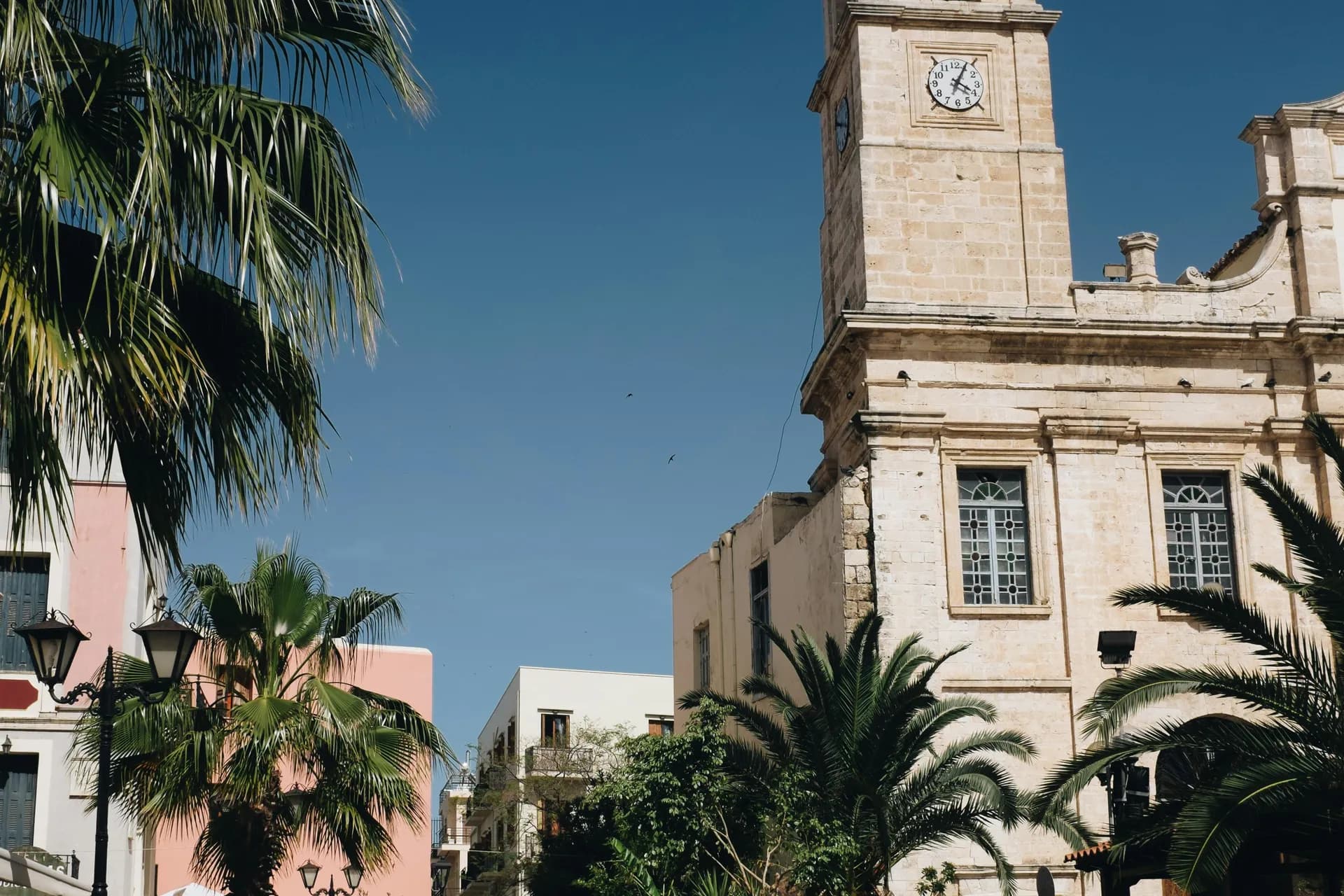
Crete: Where the Mediterranean Diet Was Born
Discover the island where researchers first studied the Mediterranean diet — and where the old ways still live.
January 15, 2024
When researchers set out to understand why Greeks were living longer, healthier lives than Americans, they didn't study Athens or the tourist islands. They went to Crete.
This rugged island — Greece's largest — became the birthplace of what we now call the Mediterranean diet. And while the world has changed, much of traditional Crete hasn't.
Why Crete?
In the 1960s, the Seven Countries Study found that Cretans had remarkably low rates of heart disease. The researchers expected to find something extraordinary in their diet.
What they found was olive oil. Lots of it. Wild greens from the hillsides. Vegetables grown in small gardens. Legumes several times a week. Very little meat. Wine with meals.
Nothing fancy. Just good, simple food, eaten the way it had been for centuries.
The Cretan Table Today
In tourist areas, you'll find standard Greek restaurant fare. But venture into the villages — especially in the mountainous interior — and you'll find something older.
Dakos: Cretan barley rusks topped with tomatoes, feta, and olive oil. The original fast food.
Kalitsounia: Small cheese or herb pies, fried or baked, different in every village.
Snails (Chochlioi): Cooked with rosemary, fried in olive oil, or baked with tomatoes. A Cretan specialty.
Wild Greens (Horta): Gathered from the hillsides and boiled, then dressed with olive oil and lemon. Still a daily food.
Lamb and Goat: Reserved for celebrations, cooked slowly with wild herbs.
The Olive Groves
Crete has more olive trees than people. Millions of them, some hundreds of years old.
The oil here is distinctive — often stronger and more peppery than other Greek oils. Cretans are proud of it, and use it for everything.
Visiting an olive grove during harvest (late fall) is one of the best ways to understand the centrality of olive oil to Cretan life.
Beyond the Coast
The beaches are beautiful. But the real Crete is in the interior.
The Lassithi Plateau: A high mountain plateau surrounded by peaks, dotted with windmills and small farms. This is where you'll find Cretan life unchanged.
The White Mountains (Lefka Ori): Dramatic peaks, gorges, and traditional villages. The Samaria Gorge is famous, but smaller gorges offer solitude.
The Wine Country: Around Heraklion, small wineries produce wines from indigenous grapes. Nothing like what you'll find elsewhere.
How to Experience It
Skip Chania and Heraklion for anything more than a night or two. Rent a car and drive south, into the mountains.
Stay in a village guesthouse. Eat at the local taverna — the one with no English menu. Order whatever they have.
Ask about wild greens. Ask about the olive oil. Greeks love to talk about food.
This is where it started. Come see why it works.
Planning a Trip to Crete?
I've written a deeper travel guide over on my trip-planning site: Crete: The Island That Has It All — where to base yourself, what to eat, and how to split your days between coast and mountains.
And if you'd rather have the whole thing designed for you — hotels, drivers, the tavernas with no English menu — that's exactly what I do at Be My Guest in Greece.
Want More Greek Wisdom?
Get weekly insights on Greek food, lifestyle, and travel delivered to your inbox.
No spam, ever. Unsubscribe anytime.