The Peloponnese: Greece's Hidden Gem
Ancient ruins, family vineyards, and coastal villages without the crowds. The peninsula that most tourists miss.
January 10, 2024
Everyone goes to the islands. The Peloponnese — the large peninsula connected to mainland Greece by a narrow isthmus — gets overlooked.
This is a mistake.
The Peloponnese has everything: ancient ruins, mountain villages, stunning coastline, olive groves, vineyards, and some of the best food in Greece. What it doesn't have (yet) are crowds.
Why the Peloponnese?
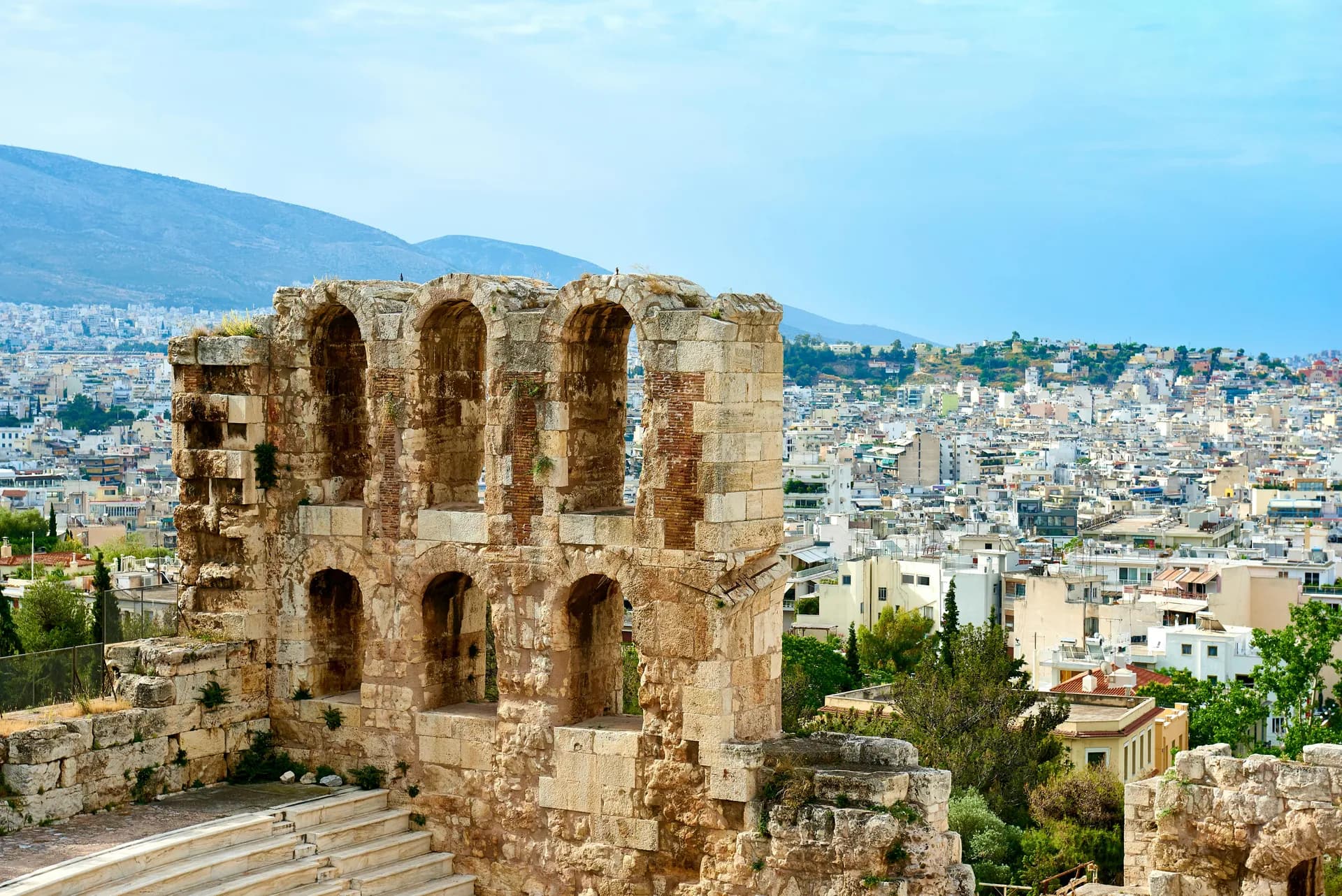
This is where ancient Greece happened. Sparta. Mycenae. Olympia. Epidaurus. The history here is staggering.
But it's also where traditional Greek life continues with less tourism influence. Villages in the Mani or the mountains of Arcadia feel like stepping back in time.
The Regions
Mani: The wild southern peninsula. Stone tower houses, Byzantine churches, and a fierce independent culture. The food here is simple and powerful — handmade pasta, local pork, wild greens.
Arcadia: The mountainous interior. Altitude villages, rushing rivers, and the famous Lousios Gorge. This is where Athenians escape in summer.
Argolida: The ancient heartland. Mycenae, Epidaurus, Nafplio (one of Greece's most beautiful towns). More accessible, more touristed, but still essential.
Messinia: The olive oil capital. Rolling hills covered in olive groves. Costa Navarino has brought luxury tourism, but traditional villages remain untouched nearby.
Laconia: Sparta's homeland. Quieter, less visited, with the Byzantine fortress town of Monemvasia as its crown jewel.
The Food
Peloponnesian food is rustic and regional. Each area has its specialties:
Kalamata Olives: The famous dark purple olives come from here. They're everywhere — in salads, on tables, pressed into oil.
Hilopites: Handmade egg noodles, cooked with rooster or lamb, or simply with butter and cheese.
Lalaggia: Fried dough strips, served with honey or cheese. A festival food now eaten year-round.
Oranges and Lemons: The Argolida is citrus country. Fresh juice at breakfast tastes like nothing you've had before.
Wine Country
The Peloponnese is Greece's largest wine-producing region. Small family wineries welcome visitors.
Nemea: Home to Agiorgitiko, Greece's great red grape. Bold wines from ancient terroir.
Mantinia: High-altitude whites from the Moschofilero grape. Aromatic and refreshing.
Monemvasia: Sweet wines with centuries of history, made from sun-dried grapes.
Off the Beaten Path
The standard tourist route hits Mycenae, Epidaurus, Nafplio, and maybe Olympia. But the real Peloponnese is deeper in:
Dimitsana and Stemnitsa: Stone villages in the mountains of Arcadia. Cool in summer, stunning in fall.
Areopoli and the Deep Mani: The gateway to the rugged Mani peninsula. Tower villages, hidden coves, incredible light.
Koroni and Methoni: Twin Venetian fortresses on the Messinian coast. Still-fishing villages with no pretension.
Getting There
Fly to Athens and drive. The Peloponnese is 2-4 hours from Athens, depending on where you're going.
Rent a car — there's no other way to see this peninsula properly. The roads twist through mountains and along coasts. The driving is part of the experience.
When to Go
Spring (April-May) and fall (September-October) are ideal. Summer is hot, but manageable in the shade. The sea is usually calm and refreshing, as are sea breezes. The mountains also offer pleasant summer temperatures and are a lovely time for river rafting or hiking. Winter brings rain but also empty roads and roaring fireplaces.
The Peloponnese rewards travelers who take their time. This isn't an island-hopping sprint. It's a slow meander through the Greece that most people never see.
Planning a Peloponnese Trip?
I've written detailed guides to my favorite corners of this peninsula: Nafplio, Greece's hidden first capital, Monemvasia, the Gibraltar of Greece, and the wild Mani.
And when you're ready to turn the meander into a real itinerary, my travel practice Be My Guest in Greece designs it door to door.
Want More Greek Wisdom?
Get weekly insights on Greek food, lifestyle, and travel delivered to your inbox.
No spam, ever. Unsubscribe anytime.