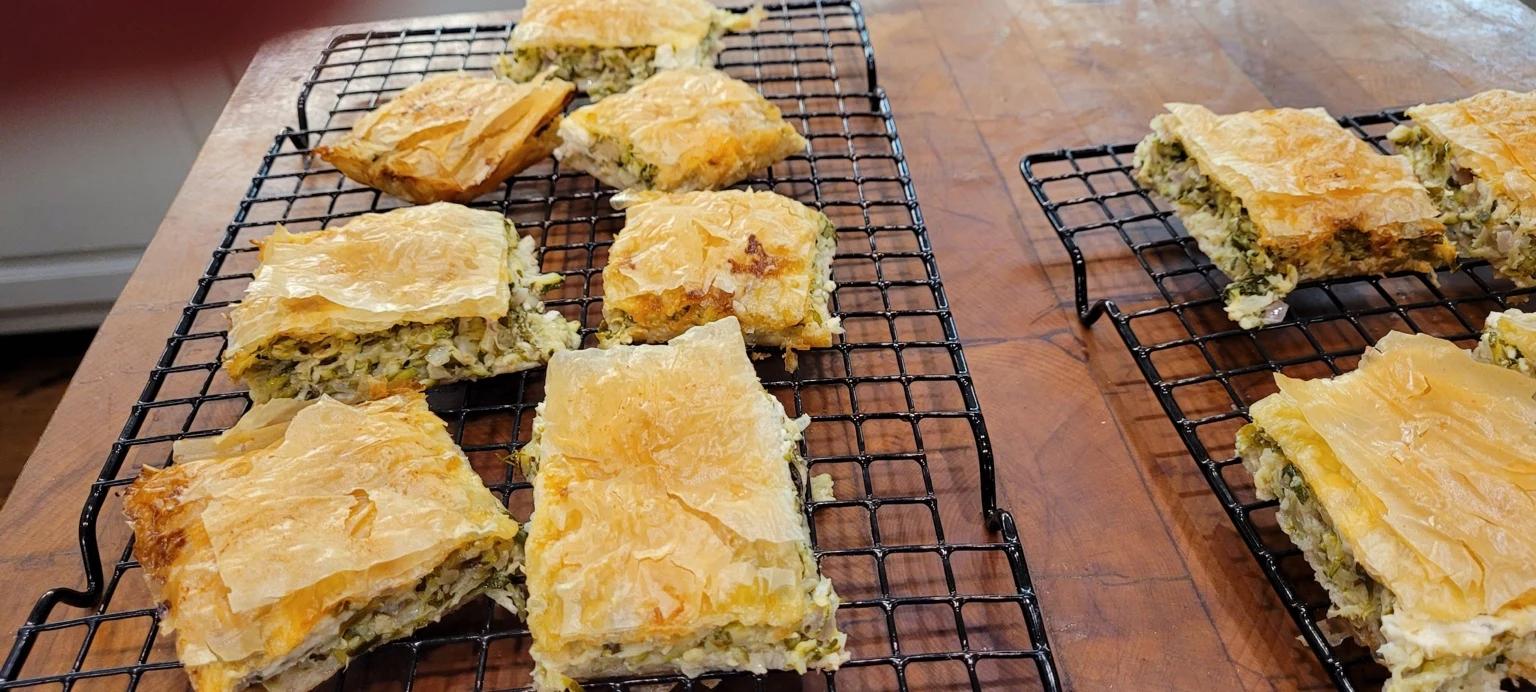
The Greek Pita Method: One Simple Way to Make Endless Savory and Sweet Pies
Discover the Greek pita method: make savory and sweet pies with homemade or store-bought phyllo, seasonal fillings, and delicious leftovers.
November 23, 2026
One of the things I love most about Greek cooking is that once you understand a few basic techniques, you can make an almost endless variety of delicious dishes without following a recipe. Take pita, for example.
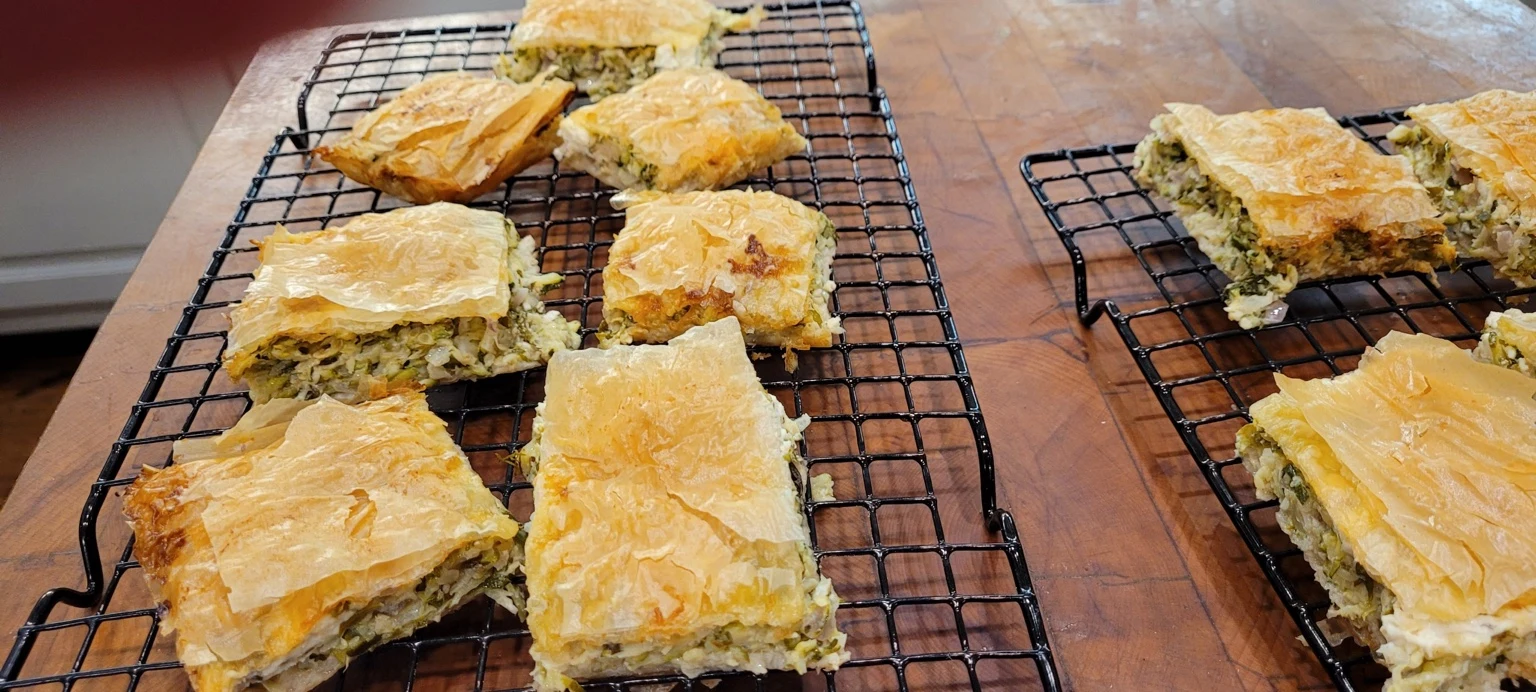
When Americans hear “pita,” they usually think of pita bread. In Greece, though, pita most often brings to mind a delicious pie filled with vegetables, cheese, meat, or something sweet. The flatbread is familiar as the wrap around souvlaki or gyros, but the Greek word covers much more: savory pies, sweet pies, and even cakes such as vasilopita, our traditional New Year’s cake, or sokolatopita, chocolate cake.
Today I want to show you the method behind the savory and sweet filled pies—and how you can use it to make endless variations.
The Greek Answer to a Sandwich
Walk into almost any neighborhood bakery in Greece and you’ll find spanakopita, tyropita, and other pies ready to eat. For generations, they’ve been THE answer to a quick sandwich: something satisfying to pick up and eat with your hands, wrapped in a napkin. Children take them to school; adults grab them for breakfast or a snack. Serve a generous slice with a salad and it becomes lunch or dinner. Fold small triangles or rolls and you have party appetizers.
Living in the American South, I’ve often thought of savory Greek pitas as cousins of Southern casseroles. Both bring vegetables and other ingredients together into a comforting dish. But Greek pies typically rely on olive oil, onions, fresh herbs, cheese, and sometimes eggs, often wrapped in a crisp phyllo crust instead of using canned cream soup and cracker toppings.
The best part? You don’t need a separate recipe for every pita. You need to understand the method.
Start with Whatever You Have
Almost any vegetable can become a pita. Try spanakopita (spinach), kolokithopita (zucchini or pumpkin), hortopita (mixed greens), prassopita (leek), manitaropita (mushroom), kremmidopita (onion), patatopita (potato), melitzanopita (eggplant), or tyropita (cheese). There’s also kotopita (chicken), kreatopita (meat), and countless combinations.
A friend used to make a delicious chicken pita with sliced melting cheese on the bottom, cooked chicken, chopped fresh tomatoes, and sometimes feta. The cheese melted and helped hold it together—no eggs necessary!
The Secret to Savory Pita: Managing Moisture
Vegetables release water, and too much of it can make a pie soggy. There are three simple approaches:
-
Salt and drain: Grate zucchini, sprinkle with salt, let it stand in a colander, and squeeze out the liquid.
-
Cook and drain: Spinach and greens release liquid as they cook. Save the flavorful drained broth for soup or rice instead of throwing it away.
-
Absorb (if needed): A little rice, trahana, or bulgur can take up remaining juices and add body. Short- or medium-grain rice is especially good at absorbing liquid and becoming creamy. This is a traditional option to experiment with, not something I generally add to my own pitas.
Trahana is a traditional dried preparation made from wheat or flour, often mixed with milk or yogurt; varieties differ across Greece. It’s also cooked into a warming winter soup or porridge. Other grains such as barley, farro, or quinoa can work, too, but may need to be cooked or partially cooked first. The goal is a moist, flavorful filling without liquid pooling at the bottom.
Build the Filling
Start with onions sautéed in generous extra virgin olive oil. Add vegetables, prepare or cook them as needed, then season with herbs. Dill, mint, and basil are all wonderful with zucchini; dill is lovely with spinach. Let hot fillings cool somewhat before adding feta or other cheeses and eggs, if you’re using them. Eggs help bind certain fillings, but they aren’t essential. Some well-drained vegetables, especially grated zucchini, can go into a filling without being sautéed first.
Taste, adjust, and trust your judgment. That’s how you learn to cook without constantly reaching for a recipe.
Kolokithopita: My Favorite Zucchini Pita
I make zucchini pita all the time—sometimes with the insides scooped from zucchini I’m stuffing, sometimes with the huge zucchini people bring me from their gardens. I grate or finely chop the zucchini, salt and drain it, sauté onions (often green onions plus white or red onion), and either cook the zucchini briefly or use it well drained. Then I add dill, mint, or basil, feta or another cheese, and beaten eggs. If the filling needs it, a little rice, trahana or bulgur can absorb the remaining moisture. Into the phyllo it goes, and I bake it until golden. I cook by eye, adjusting to what I have.
Kolokithopita is also especially good without phyllo. For a crustless version, combine drained grated zucchini with herbs, cheeses, eggs, olive oil, flour, and a little baking powder, then bake in an oiled pan until golden. It’s a different preparation, but just as delicious.
Phyllo: So Many Possibilities
Across Greece, some pitas dispense with conventional phyllo entirely. Epirus gives us alevropita, a thin feta pie made with batter, and tembelopita, a wonderfully easy yogurt-and-cheese pie. Other regional pies, such as batsaria and batsina, use cornmeal in place of wheat phyllo. The possibilities really are endless.
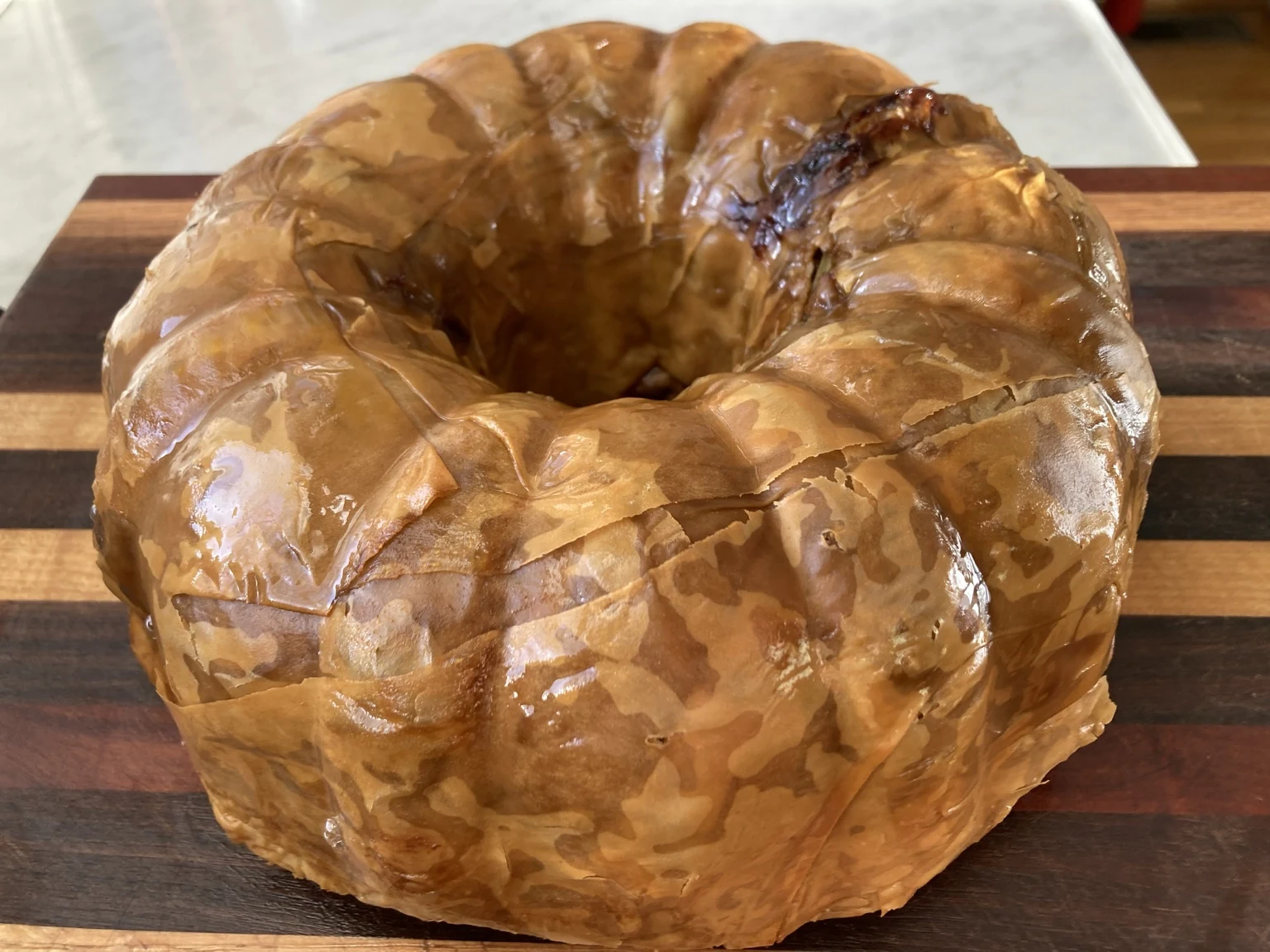
In Greek supermarkets, you can find an entire section of phyllo: thin crisp sheets, thicker village-style dough, puff pastry, and more. You can make a rectangular pie, a round one, a spiral, small triangles, cigar-shaped rolls, or individual parcels. My brother even makes his pita in a Bundt cake pan!
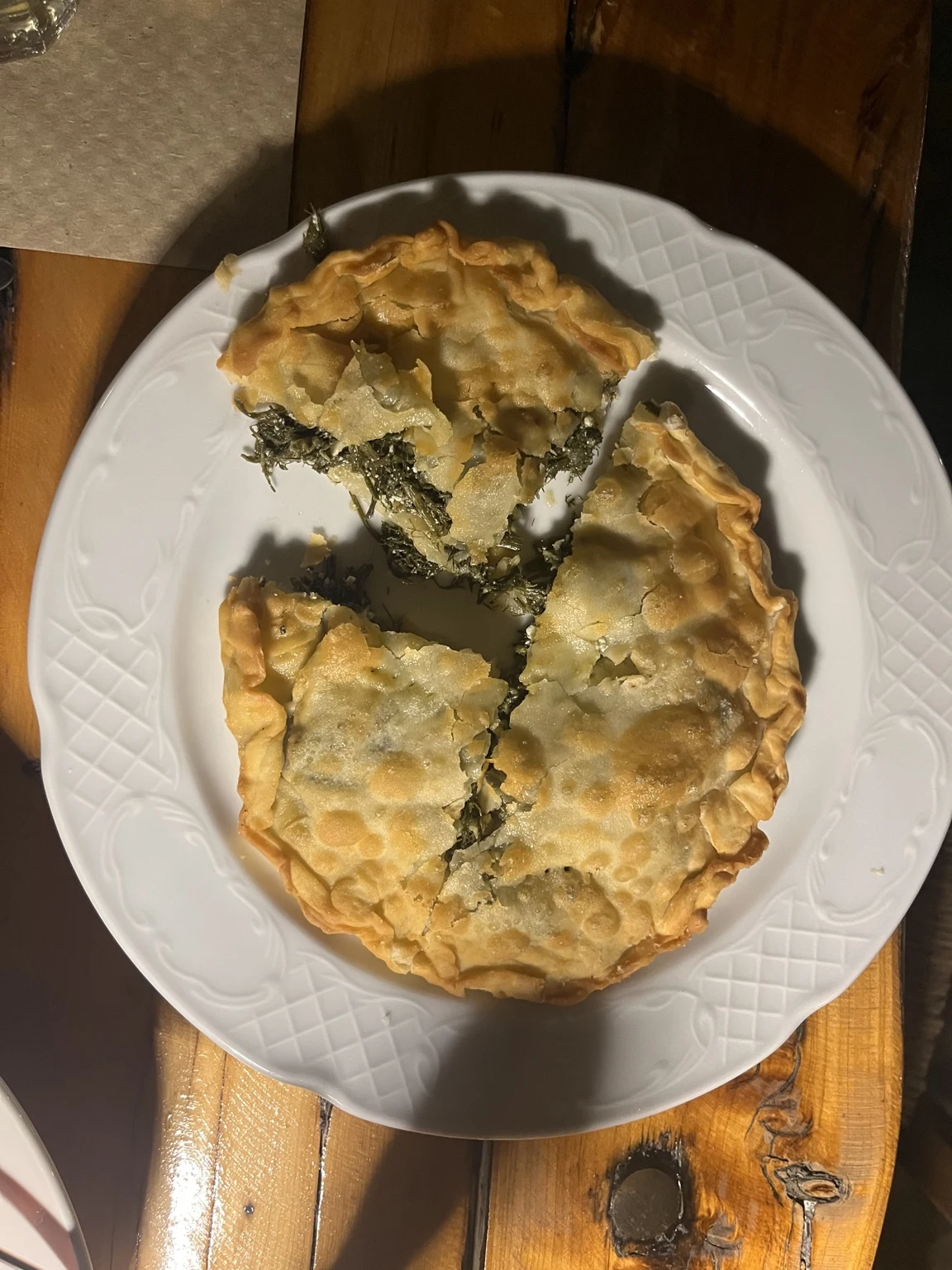
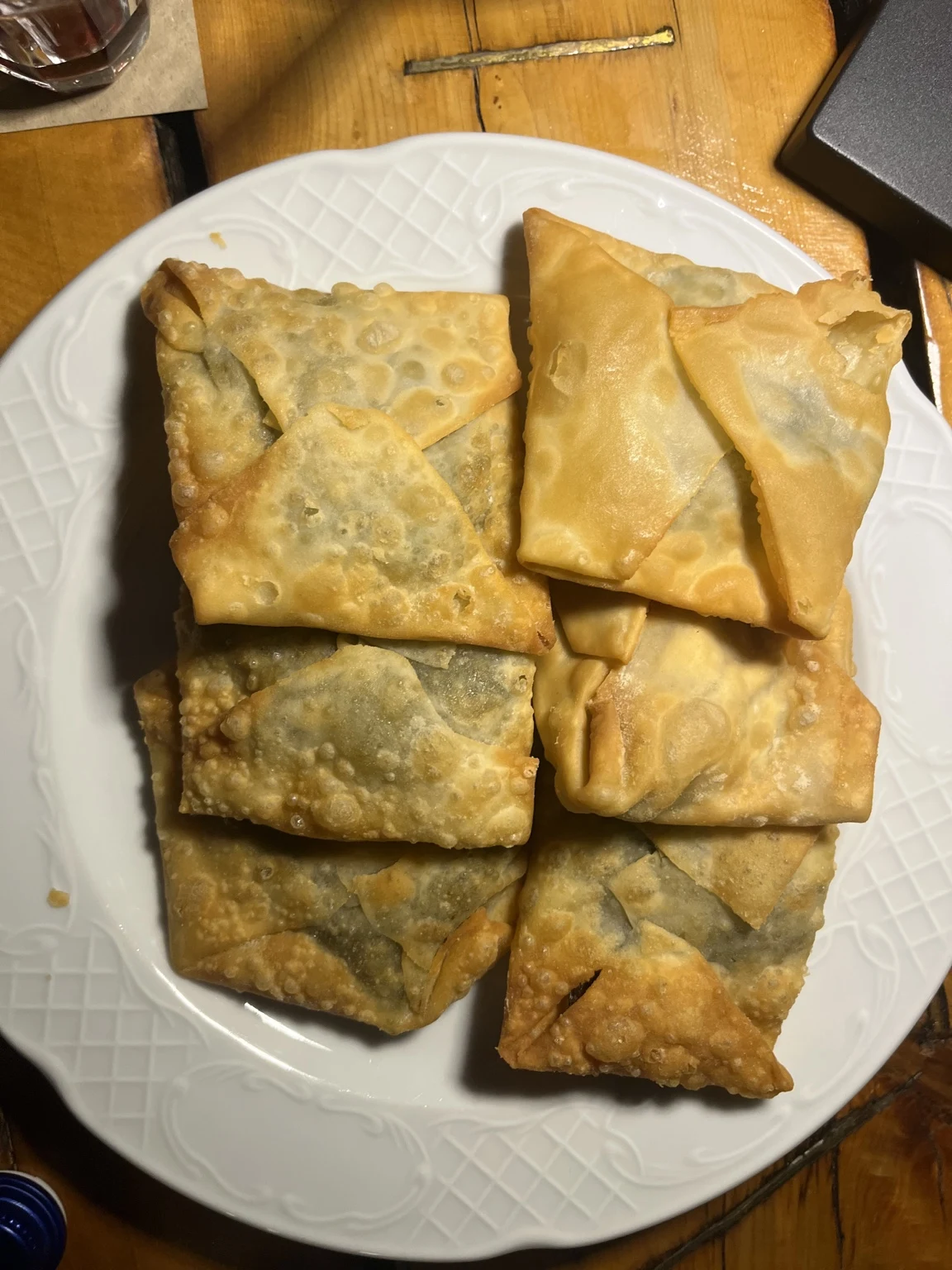
Commercial thin phyllo makes delicate, flaky layers. My homemade olive-oil phyllo is thicker, heartier, pliable, and wonderfully crunchy. Both are delicious.
My Homemade Olive Oil Phyllo
This is the village-style dough I make from memory. It makes enough for two 9 × 11-inch pitas; halve it for one.
-
4 cups bread flour
-
2 teaspoons salt
-
2 tablespoons red wine vinegar
-
1 cup water
-
Mix all ingredients in a stand mixer fitted with a dough hook until a cohesive dough forms.
-
Remove and rest at least one hour, so it becomes easy to roll and stretch.
-
Divide into two portions for two pitas. Roll each out with a rolling pin, then gently stretch by hand until it will line the pan and fold over the filling.
-
Oil the bottom of the pan. Drape the dough into it, with enough hanging over the edges to fold over the top.
-
Add filling, fold dough over to enclose, seal the edges, and score the top.
-
I often reserve a little egg yolk from the filling, mix it with olive oil and milk, and brush the top. A sprinkle of shredded Parmesan makes a delicious crunchy, cheesy crust.
-
Bake at 350°F (175°C) for approximately one hour, until golden and cooked through.
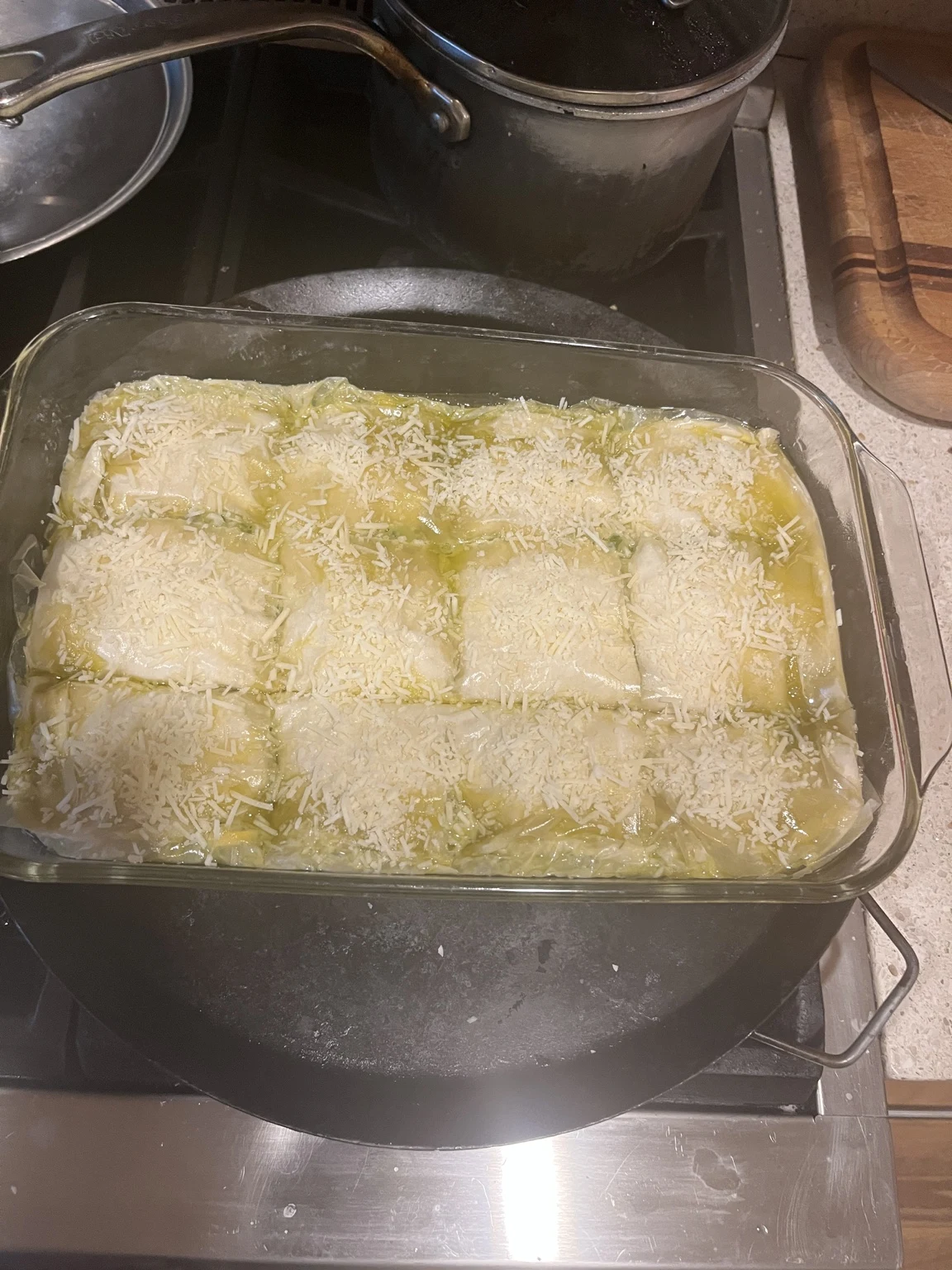
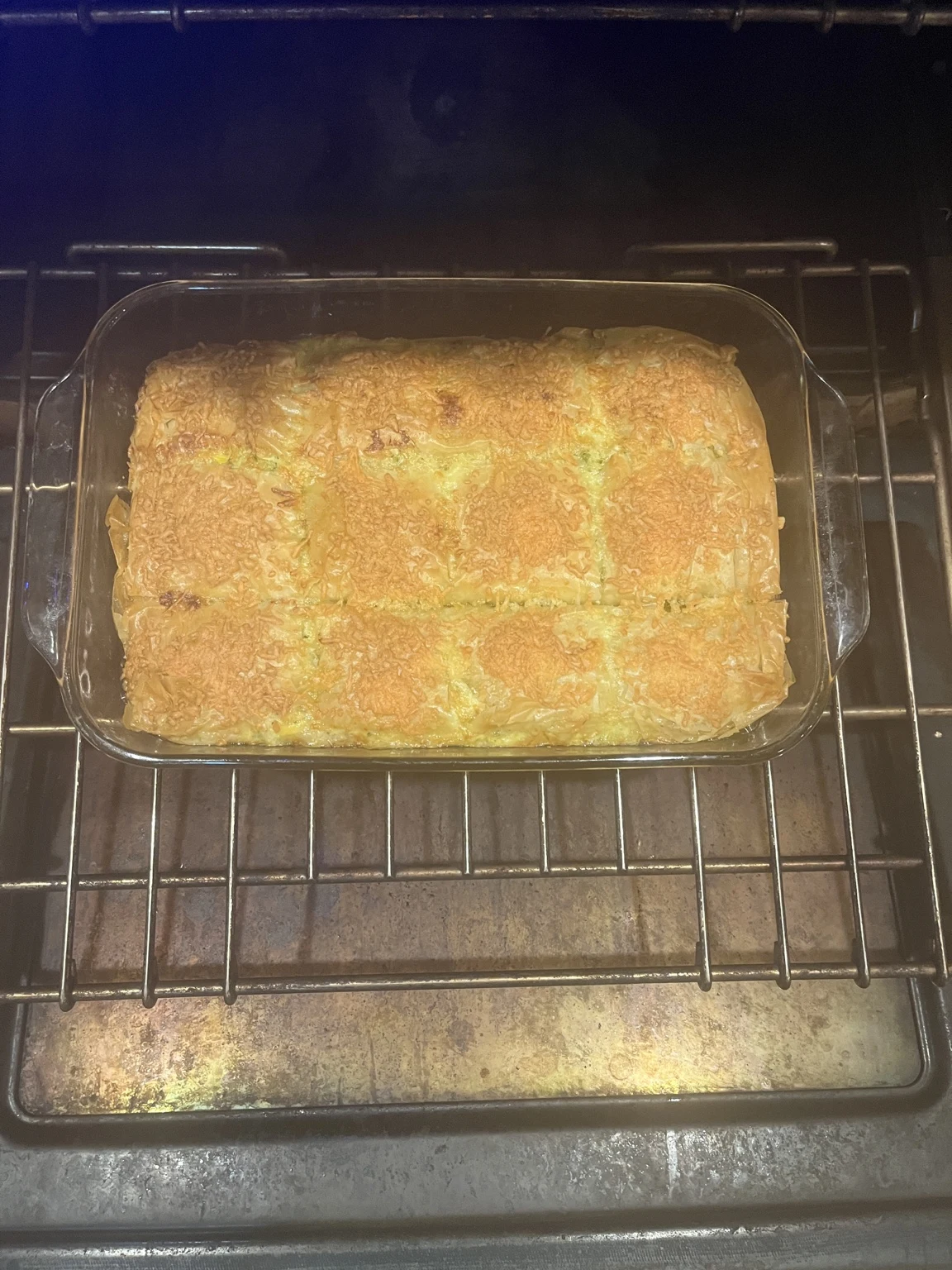
Make ahead: Roll extra dough out on wax paper or parchment, roll it up like store-bought phyllo, and freeze it in a large freezer bag. Thaw before using.
Using Store-Bought Phyllo
Store-bought phyllo is perfectly fine! Oil the pan, layer several sheets across the bottom with some overhang, and add olive oil between every two or three sheets—you don’t have to brush every single one. Torn sheets are no problem; overlap them. Add the filling, cover with more sheets, fold or tuck the edges, oil and score the top, then bake until golden and crisp.
Leftovers Make Wonderful Pitas
In my kitchen, leftovers become pita, pasta, pizza, omelettes, or rice dishes! Cooked chicken, roasted vegetables, greens, or cheeses can all become a new pita. After Thanksgiving, imagine leftover turkey with sautéed leeks, herbs, and a little cheese tucked into crisp phyllo. Why waste good food when you can give it a delicious second life?
And Then There Are the Sweet Pitas…
Not all Greek pitas are savory, and not all even resemble what we think of as a pie! There are wonderful sweet versions, from milopita (apple pie), galatopita (milk pie), and creamy custard-filled bougatsa to portokalopita (orange pie). Then there are karidopita (walnut cake), sokolatopita (chocolate cake), vasilopita (New Year's cake), and fanouropita (a traditional vegan cake). Some of these look much more like cakes than pies, yet they're all called pita. It's another beautiful example of how flexible the Greek idea of pita really is!
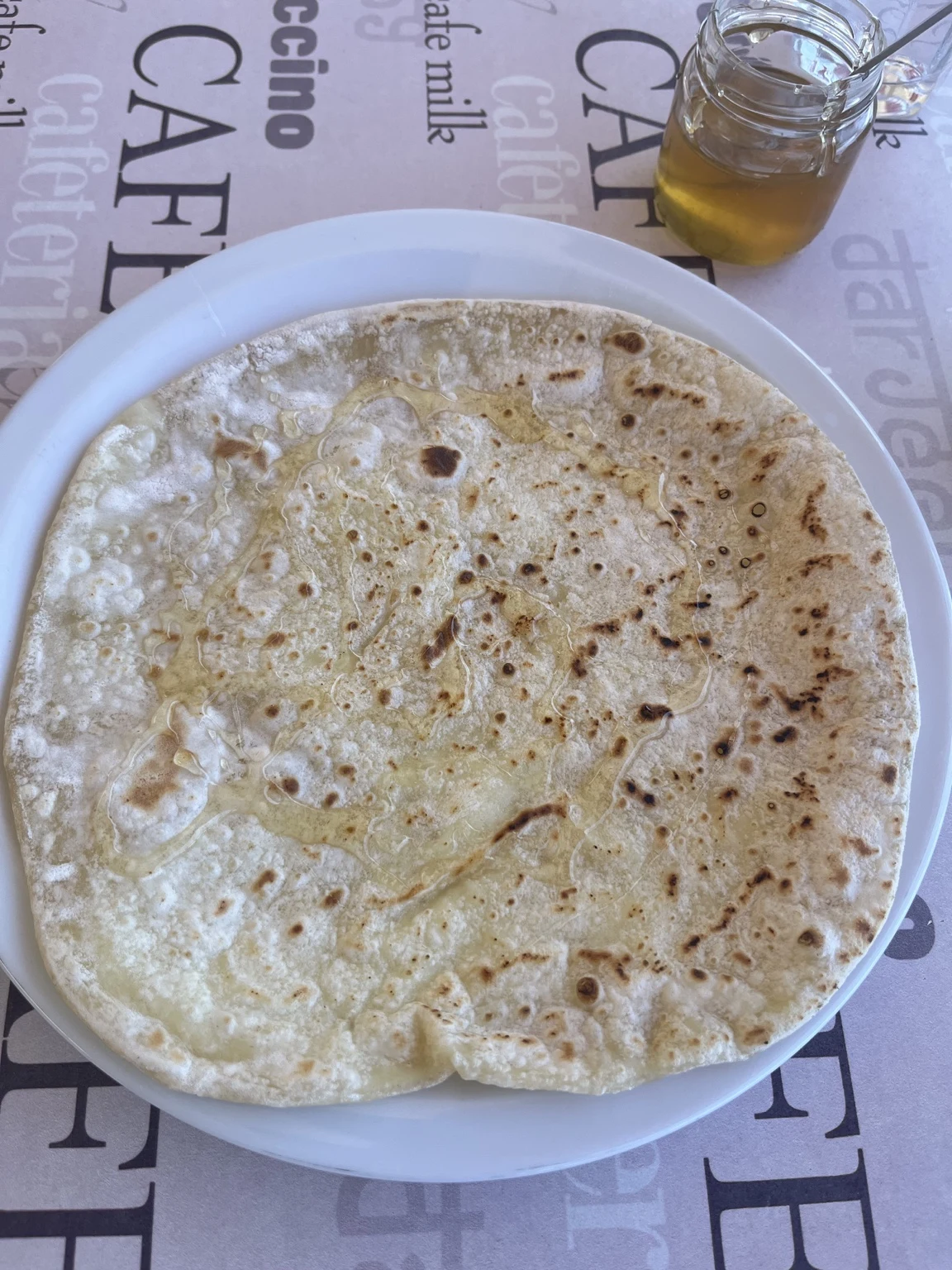
Sfakianopita, from the Sfakia region of Crete, is a thin round pita filled with fresh mizithra cheese, cooked on a hot surface, and traditionally served with honey. Karpouzopita is a watermelon sweet from the islands of Milos and Kimolos. And phyllo does not always have to be layered: in one popular kind of portokalopita, dried, torn phyllo is mixed right into the orange batter before baking and soaking in syrup. Other versions use semolina instead. Galatopita (milk pie) and sweet custard bougatsa offer still more variations on the idea of a Greek pie. Not all of these desserts follow the same savory-pita method—and that is part of the fun!
One Method, Endless Possibilities
Pita can be breakfast, lunch, dinner, a snack, an appetizer, or dessert. Make a big family pie, a little triangle, a spiral, or your own favorite shape. Fill it with seasonal vegetables, leftovers, cheese, meat, or fruit. Greek cooking isn’t about memorizing dozens of recipes. It’s about understanding ingredients, using what you have, and enjoying the process.
Learn the method, and the possibilities really are endless.
Pour it on like a Greek! — Carol
Recipes to Try
Want More Greek Wisdom?
Get weekly insights on Greek food, lifestyle, and travel delivered to your inbox.
No spam, ever. Unsubscribe anytime.